Remote sounds romantic until you are the one figuring out snow access, utility costs, and whether your phone works from the driveway. If you are considering land on Wilson Mesa, you are likely drawn to the privacy, scale, and views that make this part of San Miguel County so distinctive. The good news is that the appeal is real, but so is the planning required. Here is what remote really means on Wilson Mesa, and what you should verify before you write an offer.
Why Wilson Mesa feels remote
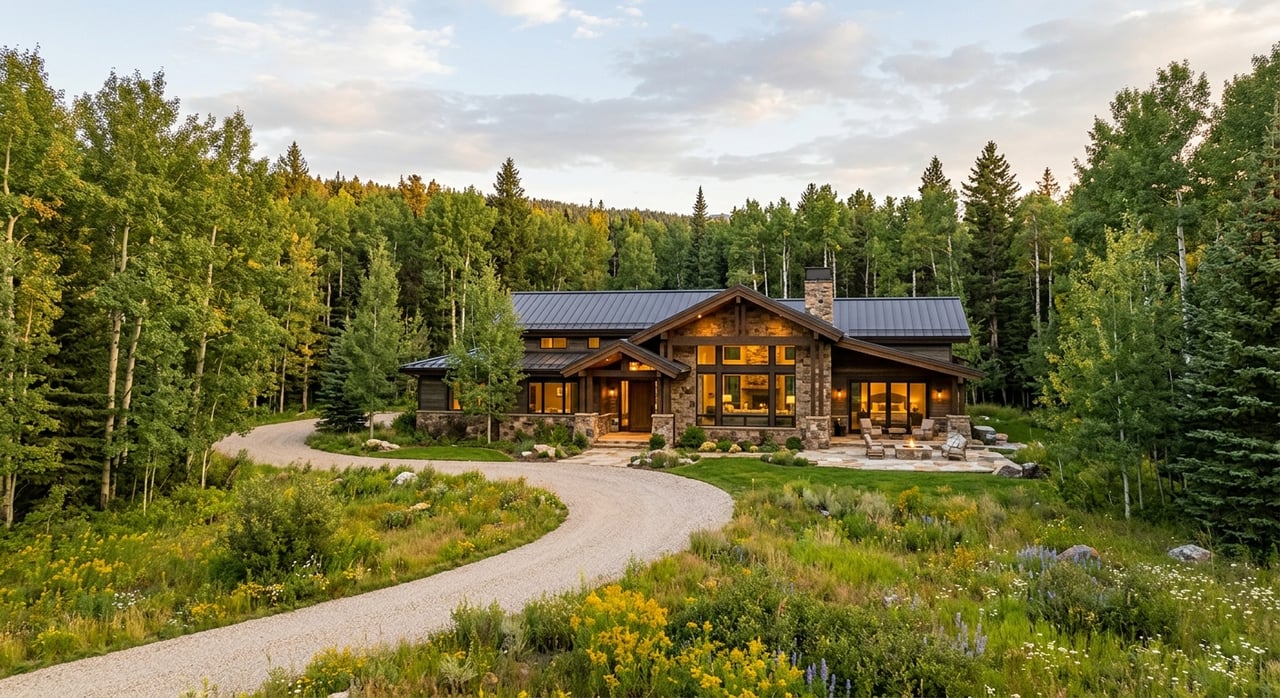
Wilson Mesa sits in San Miguel County’s Mesa Region, where land is largely divided into parcels of 35 acres and larger. The county also notes that conservation easements preserve about 3,800 acres of open space on Wilson Mesa. That pattern of large parcels and protected land creates the sense of space many buyers are looking for.
The setting is part of the draw. The Forest Service describes panoramic views over Telluride and distant peaks in the Lizard Head Wilderness from the Wilson Mesa Trail area. In practical terms, you are buying into a landscape-first experience where privacy and scenery are often the main amenities.
That same landscape also shapes the ownership experience. On Wilson Mesa, the land can feel effortless, but the infrastructure usually does not. This is why experienced buyers treat due diligence here as part of the investment itself.
Road access matters more than you think
One of the biggest misunderstandings about rural land is assuming that a road on a map works the same way year-round. In San Miguel County, many roads may be public but are not maintained by the county. That means access can look very different in July than it does in January.
The county says main roads, including 60M and 57P, are cleared first, while lower-volume roads are plowed later. It also warns that severe weather and blowing snow can make travel difficult or impossible. If you are buying on Wilson Mesa, winter access should be treated as a core property characteristic, not a minor detail.
You will also want to confirm whether a parcel depends on private snow removal. If snowplowing is needed on a county road that is not already served by Road & Bridge, San Miguel County requires a Snowplowing/Winter Parking permit. That is an important detail to understand before closing, especially if you expect regular winter use.
Questions to ask about access
- Who maintains the road to the parcel?
- Is the road county-maintained, privately maintained, or not maintained?
- How is snow removal handled in winter?
- Are there seasonal periods when access becomes difficult?
- Does the property need any permits related to snowplowing or winter parking?
Winter driving is part of the lifestyle
Remote living on Wilson Mesa often comes with mountain driving expectations. San Miguel County recommends a four-wheel-drive vehicle, tire chains, a shovel, warm gear, food, and water. That guidance is not theoretical. It reflects normal preparedness for rural mountain travel.
The county also cautions that cell phones are not a cure-all in the mountains. If weather shifts quickly or roads become blocked, you may need to rely more on preparation than convenience. Buyers who plan to use land year-round should think through daily logistics before they think about architecture.
Connectivity can be uneven
If you work remotely or simply want reliable communication, this is another area to verify early. San Miguel County notes that telephone lines can take months to install in some cases. It also says many mountain areas do not have working cell service.
That does not mean a parcel will not work for your needs. It does mean you should confirm what is currently available rather than assume modern connectivity is already in place. For emergency communication, the county relies on opt-in alerts, ReachWell, and Wireless Emergency Alerts, which is another reminder that planning matters in remote settings.
Utilities are rarely simple
With Wilson Mesa land, the view may be immediate, but utility service often is not. Water, wastewater, and power all require careful review. Before you make an offer, you should understand not just whether service is possible, but how much time, permitting, and cost may be involved.
Water usually means a private well
San Miguel County says many households rely on private wells, which are permitted by the Colorado Division of Water Resources. If a parcel has an existing well, buyers should verify the well record, yield, and any use restrictions before closing. Those details affect both livability and planning.
If there is no existing well, that is another layer of due diligence to discuss before moving forward. Water is one of the first issues to clarify because it influences what the property can realistically support.
Wastewater usually means septic
Sewer service is generally not available on rural parcels in this area. Many properties rely on an On-Site Wastewater Treatment System, or OWTS. In most of San Miguel County, a Development Permit is required before OWTS construction or modification.
The county’s process includes a soil evaluation, PE-stamped OWTS plans, county PE review, and final environmental health review. In other words, septic is not a simple box to check. It is a regulated process that should be understood early in your feasibility review.
Power may require extension work
Electrical service is typically available through San Miguel Power Association, but bringing power to a new homesite can involve more than a standard connection. SMPA states that new service may require line-extension work, utility easements, trenching, and a deposit equal to the estimated project cost before construction is scheduled.
That estimate can include labor, engineering, materials, permitting, re-vegetation, and other costs. For buyers evaluating raw land, this is often one of the most important budget items to pin down. A beautiful parcel can look very different once extension costs are understood.
Permits can stack up quickly
Building on Wilson Mesa usually means managing several approvals at once. San Miguel County notes that new builds often require access or driveway permits, building permits, OWTS permits, addressing, and possibly utility-work permits in the right-of-way. If you are planning a custom home, the permit path is part of the project from day one.
Any proposed access to a county road requires a driveway permit. The county also says private utility installation in the right-of-way is typically required to be bored rather than open-cut. These are technical details, but they can affect both cost and timing in meaningful ways.
Build timelines are often longer than buyers expect
One of the smartest ways to approach Wilson Mesa is to assume the timeline will be deliberate. San Miguel County uses a one-permit system, with Planning, Building, OWTS, Addressing, and Road & Bridge reviewing development concurrently. That coordination helps, but it does not make remote projects fast.
The county says building permit review can take up to 8 weeks once a packet is complete. It also notes that construction must begin within one year of a Development Permit’s issuance. Those deadlines matter when you are coordinating design, engineering, utility planning, and seasonal construction windows.
There is also a practical scheduling reality. The county’s Building Department says Wilson Mesa inspections are handled on Tuesdays and Thursdays. That may sound minor, but inspection schedules can affect the pace of a mountain build.
What to budget for permits
San Miguel County’s 2025 fee schedule lists development-permit review at $125 for projects under $1 million in valuation. For projects at $1 million and above, or in the High Country Area, that review fee is $605. Building permit fees are valuation-based, and plan review adds 65% to the building fee.
Those figures are only part of the total picture, but they help illustrate a larger point. On Wilson Mesa, the land purchase is just the beginning. The real cost framework includes permitting, infrastructure, and site readiness.
Wildfire planning is part of ownership
In this part of San Miguel County, wildfire planning is not optional. The county partners with the West Region Wildfire Council for wildfire risk assessments, home hardening, defensible space, and emergency access guidance. If you are buying land here, mitigation should be viewed as part of responsible ownership from the start.
The county also states that it adopted the Colorado Wildfire Resiliency Code on April 1, 2026, with enforcement beginning July 1, 2026. That makes wildfire readiness not just a design issue, but also a compliance issue for future building.
Conditions can also change quickly. Under red flag warnings, open burning is prohibited in unincorporated areas, and county wildfire guidance emphasizes evacuation planning, go-bags, and home hardening. For land buyers, that means access, site layout, and defensible space should be part of early planning, not later revisions.
Due diligence before you write an offer
The simplest way to think about Wilson Mesa is this: the land is the amenity, and the infrastructure is the project. That does not lessen the appeal. It just means the right purchase is usually the one backed by clear, practical answers.
Before moving forward, focus on the items that shape daily use, future costs, and build feasibility.
Wilson Mesa land checklist
- Confirm who maintains the road
- Understand winter plowing priorities and limitations
- Ask whether private snow removal or permits will be needed
- Verify cell and telephone service expectations
- Review well records, yield, and use restrictions if a well exists
- Confirm OWTS requirements and feasibility
- Estimate power extension costs with SMPA if needed
- Identify driveway, building, addressing, and utility permits
- Review likely permit timelines and inspection logistics
- Understand wildfire mitigation and access expectations
For many buyers, that level of diligence is exactly what protects the long-term value of the purchase. A well-chosen Wilson Mesa parcel can offer extraordinary privacy, scale, and scenery. The key is knowing what remote really requires before you commit.
If you are evaluating land on Wilson Mesa and want a grounded, discreet perspective on the practical side of the purchase, The Agency Telluride can help you assess the details with clarity.
FAQs
What does remote living on Wilson Mesa usually mean for road access?
- Remote living on Wilson Mesa often means gravel roads, variable winter conditions, and the need to confirm whether road maintenance and snow removal are handled by the county or privately.
What should land buyers on Wilson Mesa verify about utilities?
- Buyers should verify water source details, OWTS or septic requirements, electrical service availability, and any utility extension costs, easements, trenching, or permitting requirements.
How long can a Wilson Mesa building project take to start?
- San Miguel County says building permit review can take up to 8 weeks once a complete packet is submitted, and construction must begin within one year of a Development Permit being issued.
What permits are commonly needed to build on Wilson Mesa land?
- Depending on the project, buyers may need permits for driveway access, building, OWTS, addressing, and certain utility work in the right-of-way.
What should buyers know about wildfire planning on Wilson Mesa?
- Buyers should expect wildfire mitigation to be part of ownership and building, including defensible space, home-hardening considerations, emergency access planning, and compliance with applicable county wildfire requirements.
Is cell service reliable on Wilson Mesa properties?
- San Miguel County notes that many mountain areas do not have working cell service, so buyers should verify connectivity for a specific parcel rather than assume coverage is available.