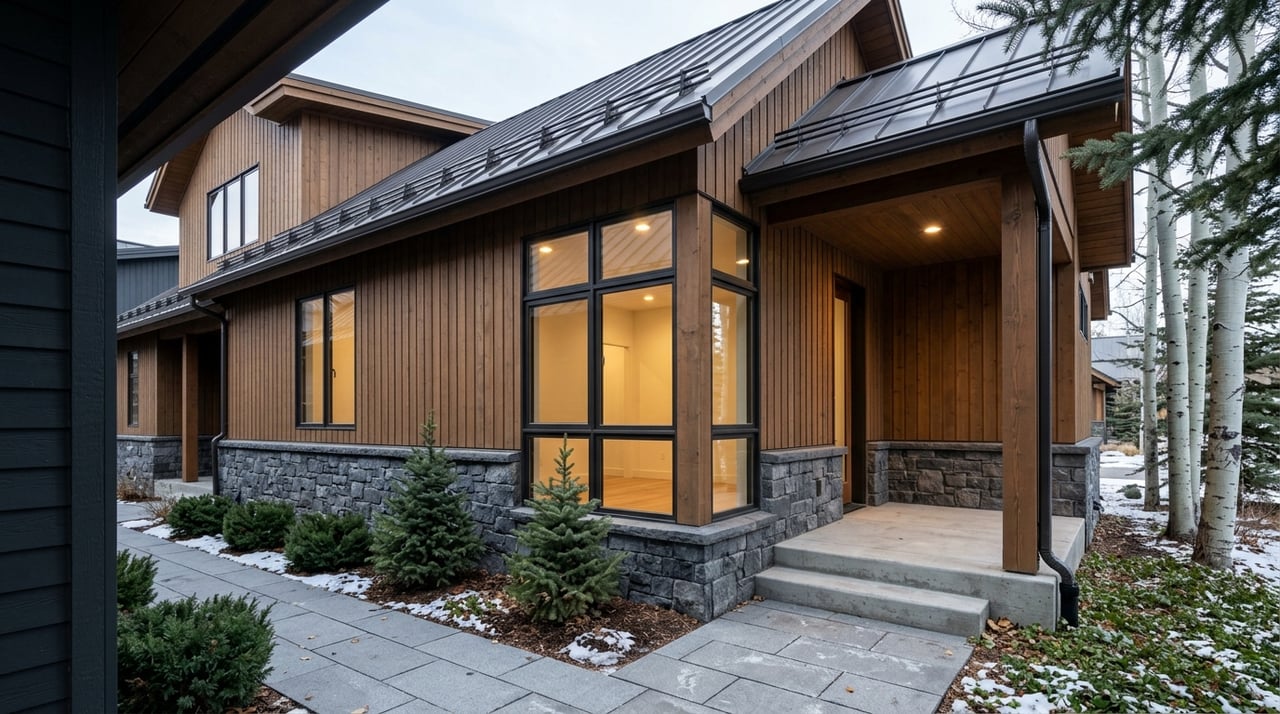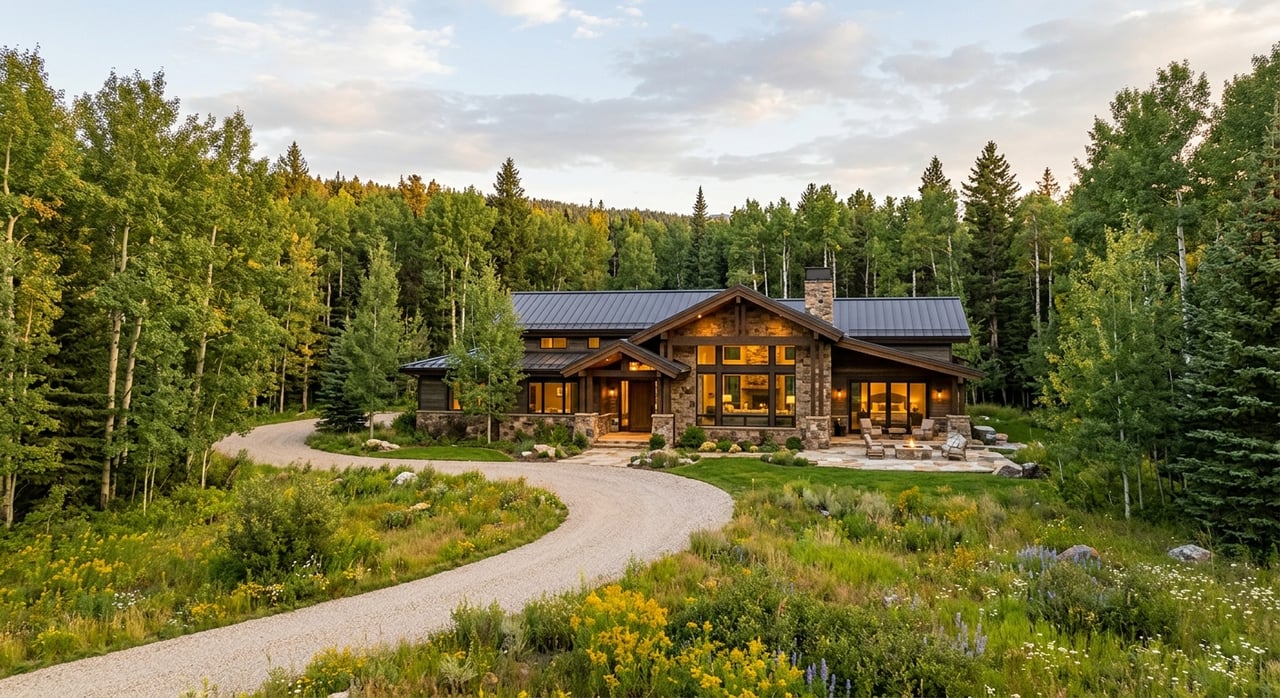
If you are watching Raspberry Patch, you are not shopping a typical neighborhood. You are looking at a tiny estate enclave in the Turkey Creek Mesa area where inventory is scarce, property descriptions can vary, and each parcel tells its own story. That can feel exciting and a little opaque at the same time. This guide will help you understand how the Raspberry Patch micro-market behaves, what buyer expectations should look like, and where careful diligence matters most. Let’s dive in.
Why Raspberry Patch Acts Differently
Raspberry Patch is generally understood as a very small, private estate enclave south of Mountain Village near the Telluride Ski Resort. What makes it unusual is that public descriptions are not perfectly consistent. Some local brokerage materials describe five 35-acre lots, while others describe seven lots of roughly 7 to 10 acres.
That inconsistency is your first clue that Raspberry Patch should be treated as a micro-market, not a standard subdivision. The Agency Telluride advises buyers to verify the recorded plat and legal lot count before relying on any one neighborhood description. In a market this small, assumptions can quickly lead you in the wrong direction.
Recorded property data adds another layer. Public records tied to Raspberry Patch addresses show multiple lot identifiers and replat or phase references, including Lot 9, Lot 11, Lot 12, Lot 13R, and Lot 1B Phase II. In practical terms, that means each parcel deserves its own careful review.
What Buyers Should Expect on Supply
The biggest reality in Raspberry Patch is limited supply. In the broader Turkey Creek Mesa grouping that includes Raspberry Patch, year-end 2025 inventory was just 9 available listings, with a median asking price of $1.75 million. That is already a small pool before narrowing down to a single enclave.
For you as a buyer, this means the market may stay quiet for stretches. You may not see several options at once, and there may be long gaps between relevant opportunities. A lack of listings does not always mean a lack of demand. It often means the inventory base is simply very thin.
That scarcity also changes how you should evaluate timing. When the right property appears, you may need to make decisions quickly. At the same time, not every property in a low-supply market moves fast.
Why Pricing Is Parcel-Specific
Raspberry Patch does not lend itself to simple pricing rules. Recent sales show a wide value range tied to acreage, improvements, privacy, access, and site utility. One Raspberry Patch Road sold for $2.3 million on 17.57 acres, 8210 Highway 145 sold for $8.7 million on 28.96 acres, and 250 Raspberry Patch Road sold for $13.25 million on 62.5 acres.
That spread tells you something important. There is no single “Raspberry Patch price.” Value depends heavily on the individual parcel and the quality of what is built on it.
If you are comparing homes or land here, broad averages will only take you so far. A property with stronger privacy, more functional access, better presentation, or a more usable homesite may command very different pricing than a nearby address. In Raspberry Patch, the details carry more weight than the neighborhood label.
What Negotiation Usually Looks Like
Even in a thin luxury market, buyers should not assume every property trades at full ask. Countywide 2025 data offers a useful guide for expectation setting, even though it is not Raspberry Patch specific. In San Miguel County, 5-plus-bedroom single-family homes sold at a median of $13.15 million and 8% below asking, while vacant land sold at a median of $2.07 million and 7% below asking.
That suggests there may be room to negotiate, but not unlimited room. The leverage point usually comes from the specifics of the property, not from broad market headlines. Condition, access, utility setup, legal clarity, and overall presentation can all shape the conversation.
If a property is well-positioned and rare for the area, the negotiation window may be narrow. If it has constraints or a longer market history, you may have more flexibility. The key is to judge leverage from the asset itself.
Why Timelines Can Be Unpredictable
One of the most important buyer expectations in Raspberry Patch is timing uncertainty. In January 2026, the Telluride region saw only 12 new contracts, the lowest January total in the broker tracking series since 2012, after a slow early-winter stretch influenced by low snowpack and a ski-area shutdown tied to a patrol strike. Even so, the broader market at year-end 2025 was still described as normalized, resilient, and increasingly selective.
That selective tone shows up clearly in Raspberry Patch sales history. 250 Raspberry Patch Road closed after just 9 days on market. By contrast, 8210 Highway 145 took 227 days, and 1 Raspberry Patch Road took 553 days.
This is why patience and readiness need to coexist. Some estate properties move quickly when price, presentation, and buyer fit line up. Others can linger for months when the parcel is more niche or the positioning misses the mark.
How to Read a Raspberry Patch Opportunity
When a listing comes up in Raspberry Patch, start by looking past the headline. The neighborhood name alone will not tell you enough. You need to understand the legal parcel, access pattern, development path, and site constraints before deciding whether it truly fits your goals.
A strong opportunity often comes down to how well the parcel works in real life. Questions like road access, build envelope, private utility setup, snow handling, and defensible space planning can affect both usability and long-term value. Those are not side issues in this micro-market. They are central.
This is also where limited comp depth matters. In a small enclave, recent sales may not offer a clean apples-to-apples comparison. That makes local context and parcel-by-parcel analysis especially important.
Due Diligence Matters More Here
In Raspberry Patch, due diligence should be deeper than usual. San Miguel County requires a Development Permit for most new residential development, and that review can include Planning, Building, OWTS, and Road & Bridge. For buyers thinking about a new build, expansion, or significant modification, this is a major part of early planning.
OWTS and septic review may also apply for new or modified systems. Road-access approval is required for county-road access, and address assignment occurs during development review rather than automatically for vacant land. These are practical details that can affect your timeline and planning assumptions.
Title and plat review are equally important. The San Miguel County recorder provides access to recorded documents and plat maps dating from 1875 to the present, which is where buyers can verify easements, access, lot lines, replats, and the exact legal description. In Raspberry Patch, where public descriptions are not always uniform, this step is especially important.
Utility and Access Questions to Confirm
Do not assume that one Raspberry Patch property functions like the next. Property records show examples of private access, wells, septic systems, and in some cases HOA-related line items such as snow removal or grounds maintenance. Other parcels show different HOA references.
That means every contract should confirm core operating details. You will want clarity on who maintains the road, how snow removal is handled, whether the property relies on a well and septic or utility tie-ins, and which covenants apply. These answers can affect both ownership costs and day-to-day convenience.
For estate buyers, these details often shape the ownership experience as much as the architecture or views. They are worth understanding early, not after closing.
Wildfire Planning Should Be Part of Your Review
Wildfire awareness is a meaningful part of buying in this area. San Miguel County adopted the Colorado Wildfire Resiliency Code on April 1, 2026, with enforcement beginning July 1, 2026. The county’s wildfire program also points homeowners toward home hardening, defensible space, and emergency access best practices.
Historical county wildfire planning for the east end describes the area as steep and winding with mixed-conifer fuels. For you as a buyer, that means access, roof material, and defensible space are not abstract topics. They are part of the practical evaluation of a homesite or existing residence.
This does not mean every parcel carries the same level of challenge. It does mean that wildfire planning should sit alongside title, utilities, and access on your diligence checklist.
A Smart Buyer Mindset for Raspberry Patch
The best way to approach Raspberry Patch is with both flexibility and discipline. Flexibility helps because inventory is limited and timing can be uneven. Discipline matters because every parcel needs its own legal, physical, and market review.
You should expect a market where broad Telluride trends provide background, but parcel-specific facts drive decisions. Recorded plat verification, access and utility review, and realistic pricing analysis will usually matter more here than broad neighborhood narratives. In other words, the right move is to stay open-minded while staying exacting.
If you are considering Raspberry Patch, a private, research-driven strategy can help you evaluate the few opportunities that do come up with greater confidence. For tailored guidance on this micro-market and the broader Telluride estate landscape, request a private consultation with The Agency Telluride - Main Site.
FAQs
What makes Raspberry Patch a micro-market in San Miguel County?
- Raspberry Patch is a very small estate enclave with limited inventory, inconsistent public lot descriptions, and parcel-specific factors that influence value more than broad neighborhood averages.
What should buyers expect for Raspberry Patch inventory?
- Buyers should expect thin supply, long quiet periods between relevant listings, and the need to act quickly when a strong fit comes to market.
How are Raspberry Patch properties priced?
- Pricing is driven largely by parcel size, improvements, privacy, access, and site utility rather than by a single neighborhood-wide price pattern.
How much negotiation room is typical near Raspberry Patch?
- Countywide 2025 data suggests some room for negotiation, with 5-plus-bedroom homes selling 8% below asking and vacant land selling 7% below asking, but actual leverage depends on the specific property.
Why do Raspberry Patch sales timelines vary so much?
- Recent examples ranged from 9 days on market to 553 days, showing that timing depends heavily on price, presentation, buyer fit, and parcel-specific constraints.
What due diligence should buyers prioritize in Raspberry Patch?
- Buyers should prioritize recorded plat and title review, development permit requirements, road access, OWTS or septic review, utilities, snow maintenance responsibilities, and applicable covenants.
What should buyers know about building in Raspberry Patch?
- San Miguel County requires a Development Permit for most new residential development, and the review may include Planning, Building, OWTS, and Road & Bridge.
How does wildfire planning affect Raspberry Patch properties?
- Wildfire planning matters because county guidance emphasizes home hardening, defensible space, and emergency access, and the county adopted the Colorado Wildfire Resiliency Code in 2026.